

How we keep you informed, safe and able to trust us
We make home fragrance from essential oils and we sell it from a glass house: every ingredient named, every hazard shown, and every wellbeing claim backed by research you can read. This page sets out what we commit to and how you can check it.
Three things we owe you
Informed
You can read what is in every product before you buy it: the base, every essential oil by its INCI name, the allergens, the scent notes - kept separate.
Safe
Every ingredient meets our known-safe standard, every hazard is printed rather than denied, and nothing we say about wellbeing goes beyond the research on the named oil.
Trusted
Everything on this page can be checked on a product page, in a study, or by asking us. If something doesn't match, we fix it.
What you'll find on every product page
The ingredient panel from our Lavender & Eucalyptus candle, as it appears on its page.
Base
What holds the scent: soy wax in candles, vegetable glycerine (Isopropylidene Glycerin) in reed diffusers, organic grain alcohol in room sprays. Named, so you can look it up.
Essential oils
Citrus Paradisi Peel Oil
Lavandula Angustifolia Oil
Pinus Sylvestris Leaf Oil
Rosmarinus Officinalis Leaf Oil
Boswellia Carterii Oil
The full scent, listed plant by plant using standard INCI ingredient names. Nothing is left out.
Allergens
Natural parts of these oils that UK law requires us to name because some people can react to them. We don't add them separately - they occur naturally in oils such as lavender and eucalyptus.
Safety information
The hazard label (UK CLP). Concentrated essential oils are classified mixtures, so every scented product carries this block online and on the pack.
Gift sets and kits don't carry one ingredient list or hazard label, because what they contain depends on the products chosen. Each product's own page has its ingredients and safety information.
What we mean by “natural”
The word has no legal definition for home fragrance, so here is ours.
Essential oils only.
Every scent is made from oils distilled or pressed from named plants - no fragrance oils, no nature-identical molecules, no isolated aroma chemicals.
The base is named.
Soy wax, vegetable glycerine, organic grain alcohol, or nothing at all in the oil blends.
Every allergen comes from those oils.
Nothing on the allergen line is added.
If we can't name it, we don't sell it.
Scent notes describe the smell. Ingredients describe the product.
Notes are how a fragrance is experienced - top, heart, base. They do not tell you what is inside the product. A "bergamot" note could come from real bergamot oil or from a synthetic fragrance made to smell like bergamot. We show both on every product and keep them apart.
Scent notes
- Top
- Eucalyptus, Grapefruit, Lavender
- Base
- Frankincense
Ingredients
Citrus Paradisi Peel Oil
Lavandula Angustifolia Oil
Pinus Sylvestris Leaf Oil
Rosmarinus Officinalis Leaf Oil
Boswellia Carterii Oil
Our known-safe standard
“Non-toxic” has no legal definition, and even water is toxic at the wrong dose, so we don't use the word as a promise. We hold every ingredient to a standard you can check instead.
Its safety is known for the way we use it.
We only use an oil or base when there is published safety information for the amount we use and the way people may come into contact with it - for example, in room air or on skin. We don't call an ingredient "safe in general". We look at how it is actually used.
"Not tested" does not mean safe.
We don't use new aroma molecules, captive fragrance ingredients or ingredients that appear safe only because there isn't enough research. If the safety information isn't there, we don't use the ingredient.
The hazards that remain are printed, not denied.
Lavender contains linalool; citrus contains limonene; some people react to them. That is why the label says so.
Safety data sheets for every product are available on request. Ask for one.
Why the label says “warning”
UK hazard-labelling rules, known as CLP, require sellers to name certain allergens when they are present above set levels. The label may also need a warning word, safety symbols and hazard statements. Natural essential oils can contain enough of these substances to trigger those rules.
This is why a natural product can still carry a warning label.
The allergen line satisfies the label; the essential oils line above it is the promise - the only way to show that "natural" is true.

General warning
Take care - read the hazard statements before use.
Harmful (GHS07)
May irritate skin or eyes, or cause an allergic skin reaction.
Environment hazard (GHS09)
Harmful to aquatic life - don't pour it down the drain.


When we say an oil is relaxing, here is what we rely on
Scent and mood are linked, and essential oils have been studied for it. We use that research under three rules.
Every wellbeing statement is about a named oil and links to the research on that oil.
Not "this candle relieves stress", but "lavender oil has been studied for relaxation and sleep - here is what those studies found".
We say what the studies measured and how.
Dose, route (inhaled, applied, taken), setting, and how strong the evidence is: controlled trial, review, lab study or traditional use. A candle in a living room is not a clinic, and our oil pages say so.
Nothing we sell is a medicine.
No condition is named as something our products treat, prevent or cure. Mood and atmosphere are the words we use, and only where a named oil has research behind them.
Don't take our word for it
- Open any product and read the "List of ingredients" and "Safety information" panels.
- Look up any INCI name; it points to one plant and one plant part.
- Follow any wellbeing statement to its oil page and read the studies.
- Ask for a safety data sheet.
If anything on a product page doesn't match this page, tell us and we'll correct it.
We also audited how the wider market labels its products. Read the research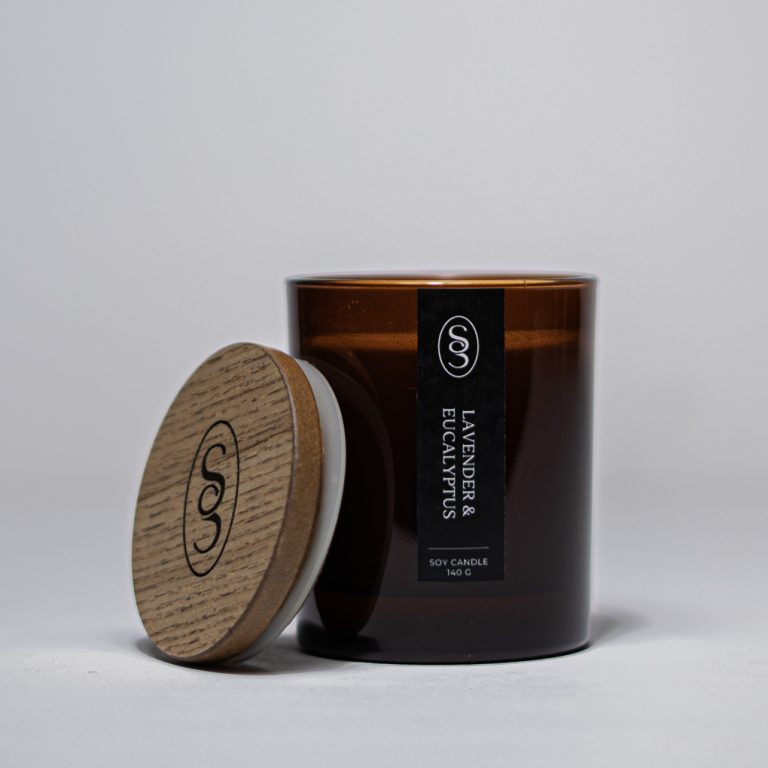
Words you won't find on our products
- “Non-toxic”
- It has no defined meaning and our products carry a hazard label, as the law requires for concentrated oils. We publish our known-safe standard instead.
- “Chemical-free”
- Everything is chemicals, including lavender oil. We list them.
- “Clean”
- It describes nothing checkable.
- “Cures”, “treats”, “heals”
- Nothing we sell is a medicine. Where an oil has been studied, we say what was found and link to it.
Questions about our ingredients
Are Snug Scent products non-toxic?
We don't use the word, because it has no agreed meaning and concentrated essential oils are classified under UK law. What we can say is that every ingredient meets our known-safe standard and every hazard is printed on the page.
Why does a "natural" candle carry a warning label?
Because plants make potent molecules — limonene from citrus, linalool from lavender — that can cause skin reactions in some people, and the law requires us to name them.
What is an INCI name?
The International Nomenclature of Cosmetic Ingredients: one name per ingredient, checkable anywhere. "Lavandula Angustifolia Oil" is lavender oil from that species and nothing else.
Do you use fragrance oils or nature-identical ingredients?
No. Every scent is essential oils only; if that changed for a product, its ingredients line would show it.
Where is the ingredient list on a product page?
In "List of ingredients" under the price, with "Safety information" further down. The pack carries the same allergens and hazard statements.
Is there evidence that essential oils affect mood or sleep?
For some oils, yes — lavender has been tested in controlled trials for sleep and calm. Each oil's page lists the studies, what they measured and how strong they are. None of it makes our products a treatment for anything.
Can I get the safety data sheet?
Yes, on request; the hazard block on each page is taken from it.
